© 1998 - 2005 OneRom Group, Inc. All Rights Reserved.
Note: Please respect our copyright and do not copy any of these bonuses without our permission. You can print these bonuses for your PERSONAL use only. You can also ORALLY tell the information to your friends, but first you must refer the correct source -- www.growtaller.net. Thank you for your support!
40 Fantastic Free Bonuses
- Everything you want/ need to know about Fitness, Height, and Growing Taller!
Free Bonus #1:
A "Celebrity Height Search Engine" which shows hot celebrities' heights and a secret technique to use the information you find from this search engine to help YOURSELF grow taller! Tons of web sites, newspapers, and magazines tell you about the age, birthday, history, and even personal relationships of your favorite celebrities. But have you ever wondered "How tall are these beautiful/ handsome celebrities?!" You may have wanted to know about this badly but have had to forget about it since you could not find most celebrities' heights from anywhere. However, now you have the chance. In the process of studying the general population's height, we had found a search engine which can tell you the natural height of your favorite fashion models, movie stars, pop singers, and athletes within seconds!
To find out the height of your favorite fashion models, movie stars, pop singers, or athletes, follow these steps:
1. Click on: Celebrity Height Search Engine.
2. Type in one of your favorite celebrities' names in the "Search" box and click on "Search".
3. Select the correct search result by clicking on the link that leads to your favorite celebrity.
4. You will enter a web page full of that celebrity's information, such as "C L A I M T O F A M E", "C R E D I T S", "O F F I C I A L S I T E S", etc. Indulge yourself in enjoying all of these, but to find out that celebrity's height, you must scroll down the page until you see the caption "PROFESSIONAL RESOURCES".
5. Finally, click on the link "IMDb - Bio" under the caption "PROFESSIONAL RESOURCES" and you will see that celebrity's actual height immediately. It was challenging for us to discover this source, but it is certainly very desirable information and you will have a lot of fun using it.
Now you can go ahead to find out the answer to these questions:
Question: HOW TALL IS
Laetitia Casta? Richard Gere? Cindy Margolis? Sylvester Stallone? Lucy Liu? Jackie Chan? Halle Berry? Denzel Washington? Jennifer Lopez? Howard Stern? Catherine Zeta-Jones? John Travolta? Helen Hunt? Harrison Ford? Nicole Kidman? Tom Cruise? NiKi Taylor? Ted Danson? Gwyneth Paltrow? Brad Pitt? Julia Roberts? Michael Jackson? Sandra Bullock? Kevin Costner? Gillian Anderson? David Duchovny? Madonna Ciccone? Pierce Brosnan? Pamela Anderson? David Hasselhoff? Charlize Theron? Matt Damon? Calista Flockhart? Ben Affleck? Elizabeth Hurley? Keanu Reeves? Meg Ryan? Tom Hanks? Cameron Diaz? Brendan Fraser? ... and THOUSANDS of other HOT CELEBRITIES?
Here is the secret technique to use the information you find from this search engine to help YOURSELF grow taller. Simply follow these steps:
1. Print a good picture of each of your favorite celebrities from the Internet.
2. Use our celebrity search engine to find out their height and write it down on top of the picture you printed out.
3. Every day before you start using Kimi, eat, and sleep, look at the picture for a while, then think how beautiful/ handsome your favorite celebrities are, and how YOU can look the same if YOU grow just a few inches taller! This will give you much more motivation and excitement to use Kimi more intensely, eat more, and sleep well. Try this along with using Kimi and you will be surprised as you become taller in just a few months. It worked for us and many other people we told about it. How could this work? Your constant and extra desire for height will not only make all of your efforts more effective, but also will help your pituitary gland release more growth hormone under the stimulation of Kimi! Have you ever considered a simple fact: when you look at pictures of your dream girls/ guys, you feel very hot, excited, and aroused? That is the result of the sex hormone produced under the influence of your desire. Desire, desire! People who succeed in one thing must first have STRONG AND CONSTANT desire for it! This simple but very secret technique is proven to work well with the application of Kimi.
Free Bonus #2:
Actual statistics of the average height and height distribution in America, Europe, and Asia. From these statistics you can easily find out the average height of males and females, as well as the standard deviation in the height of the general population (the percentage of people who are over a certain height) in some major countries around the world. This data is the result of our years of research, which we bet you can not find from anywhere else.
Question: What is the average height of males and females in the USA, Germany, or the Netherlands?
Answer: From the data table below, you can easily find out the average height of males and females in the USA, Germany, or the Netherlands.
Average Male and Female Height in the USA, Germany, the Netherlands, and Japan
Sex Average Height in the USA
Average Height in Germany
Average Height in the Netherlands
Male
175.5 cm
5 feet 9.1 inches
174.5 cm
5 feet 8.7 inches
182.5 cm
5 feet 11.9 inches
Female
162.5 cm
5 feet 4.0 inches
163.5 cm
5 feet 4.4 inches
169.6 cm
5 feet 6.8 inches
Question: How tall is 95%, 97.5% and 99% of the population in the USA, Germany, and the Netherlands?
Answer: From the data table below, you can easily find the 95%, 97.5%, and 99% confidence intervals (statistical ranges with specified 95%, 97.5%, and 99% probabilities) for the entire USA, Germany, and Netherlands population.
Confidence Intervals of Male Height in the USA
Proportion of Males in the USA Shortest person
Average person
Tallest person
95%
163.9 cm
5 feet 4.5 inches
175.5 cm
5 feet 9.1 inches
187.1 cm
6 feet 1.7 inches
97.5%
161.6 cm
5 feet 3.6 inches
175.5 cm 5 feet 9.1 inches
189.4 cm
6 feet 2.6 inches
99%
159.0 cm
5 feet 2.6 inches
175.5 cm
5 feet 9.1 inches
192.0 cm
6 feet 3.6 inches
Confidence Intervals of Female Height in the USA
Proportion of Females in the USA Shortest person
Average person
Tallest person
95%
152.0cm
4 feet 11.8 inches
162.5 cm
5 feet 4.0 inches
173.0 cm
5 feet 8.1 inches
97.5%
149.9 cm
4 feet 11.0 inches
162.5 cm
5 feet 4.0 inches
175.0 cm
5 feet 8.9 inches
99%
147.6 cm
4 feet 10.1 inches
162.5 cm
5 feet 4.0 inches
177.4
5 feet 9.8 inches
Confidence Intervals of Male Height in Germany
Proportion of Males in Germany Shortest person
Average person
Tallest person
95%
162.6 cm
5 feet 4.0 inches
174.5 cm
5 feet 8.7 inches
186.4 cm
6 feet 1.4 inches
97.5%
160.5 cm
5 feet 3.2 inches
174.5 cm 5 feet 8.7 inches
188.5 cm
6 feet 2.2 inches
99%
157.7 cm
5 feet 2.6 inches
174.5 cm
5 feet 8.7 inches
191.3 cm
6 feet 3.3 inches
Confidence Intervals of Female Height in Germany
Proportion of Females in Germany Shortest person
Average person
Tallest person
95%
152.2 cm
4 feet 11.9 inches
163.5 cm
5 feet 4.4 inches
174.8 cm
5 feet 8.8 inches
97.5%
150.0 cm
4 feet 11.0 inches
163.5 cm
5 feet 4.4 inches
177.0 cm
5 feet 9.7 inches
99%
147.4 cm
4 feet 10 inches
163.5 cm
5 feet 4.4 inches
179.6 cm
5 feet 10.7 inches
Confidence Intervals of Male Height in the Netherlands
Proportion of Males in the Netherlands Shortest person
Average person
Tallest person
95%
170.2 cm
5 feet 7.0 inches
182.5 cm
5 feet 11.9 inches
194.8 cm
6 feet 4.7 inches
97.5%
167.8 cm
5 feet 3.2 inches
182.5 cm 5 feet 11.9 inches
197.2 cm
6 feet 5.6 inches
99%
165.0 cm
5 feet 2.6 inches
182.5 cm
5 feet 11.9 inches
200.0 cm
6 feet 6.7 inches
Confidence Intervals of Female Height in the Netherlands
Proportion of Females in the Netherlands Shortest person
Average person
Tallest person
95%
158.6 cm
5 feet 2.4 inches
169.6 cm
5 feet 6.7 inches
180.6 cm
5 feet 11.1 inches
97.5%
156.8 cm
5 feet 1.7 inches
169.6 cm
5 feet 6.7 inches
183.0 cm
5 feet 11.1 inches
99%
154.0 cm
5 feet 0.6 inches
169.6 cm
5 feet 6.7 inches
185.2 cm
6 feet 0.9 inches
Question: What percentage of males in the USA, Germany, and the Netherlands are taller than 183 cm (6 feet 0 inches)? What percentage of females in the USA, Germany, and the Netherlands are taller than 170 cm (5 feet 7 inches)?
Answer: From the data table below, you can easily find that only 14.46% (1 out of 7) males in the USA are taller than 182.9 cm (6 feet 0 inches), and only 12.1% (1 out of 8) females in the USA are taller than 170.2 cm (5 feet 7 inches); only 11.90% (1 out of 8) males in Germany are taller than 182.9 cm (6 feet 0 inches), only 17.36% (1 out of 6) females in Germany are taller than 170.2 cm (5 feet 7 inches); but 50% (1 out of 2) males in the Netherlands are taller than 182.9, and 50% (1 out of 2) females in the Netherlands are taller than 170.2 cm (5 feet 7 inches)!
Question: What percentage of males and females in the USA, Germany, or the Netherlands are taller than a certain height?
Answer: From the data table below, you can easily find the percentage of males and females in the USA, Germany, or the Netherlands who are taller than a certain height.
Percentage of Males and Females who are Over a Certain Height in the USA
Height of males in the USA
Percentile (%)
Height of females in the USA
Percentile (%)
182.9 cm
6 feet 0.0 inches
14.46%
1 out of 7
170.2 cm
5 feet 7.0 inches
12.1%
1 out of 8
185.4 cm
6 feet 1.0 inches
9.01%
1 out of 11
172.7 cm
5 feet 8.0 inches
5.05%
1 out of 20
187.9 cm
6 feet 2.0 inches
3.92%
1 out of 26
175.3 cm
5 feet 9.0 inches
2.56%
1 out of 39
191.5 cm
6 feet 3.0 inches
1.46%
1 out of 68
177.8 cm
5 feet 10.0 inches
0.78%
1 out of 128
193.0 cm
6 feet 4.0 inches
0.69%
1 out of 145
180.34 cm
5 feet 11.0 inches
0.32%
1 out of 313
195.6 cm
6 feet 5.0 inches
0.19%
1 out of 526
182.9 cm
6 feet 0.0 inches
0.07%
1 out 1,428
198.1 cm
6 feet 6.0 inches
0.08%
1 out of 1,250
185.42 cm
6 feet 1.0 inches
0.02%
1 out of 5,000
200.7 cm
6 feet 7.0 inches
0.02%
1 out of 5,000
188.0 cm
6 feet 2.0 inches
0.01%
1 out of 10,000
Percentage of Males and Females who are Over a Certain Height in
Germany
Height of males in Germany
Percentile (%)
Height of females in Germany
Percentile (%)
182.8 cm
6 feet 0.0 inches
11.90%
1 out of 8
170.2 cm
5 feet 7.0 inches
17.36%
1 out of 6
185.4 cm
6 feet 1.0 inches
7.21%
1 out of 14
172.7 cm
5 feet 8.0 inches
8.38%
1 out of 12
187.9 cm
6 feet 2.0 inches
3.01%
1 out of 33
175.3 cm
5 feet 9.0 inches
4.75%
1 out of 21
191.5 cm
6 feet 3.0 inches
1.10%
1 out of 91
177.8 cm
5 feet 10.0 inches
1.79%
1 out of 56
193.0 cm
6 feet 4.0 inches
0.51%
1 out of 196
180.34 cm
5 feet 11.0 inches
0.84%
1 out of 119
195.6 cm
6 feet 5.0 inches
0.14%
1 out of 714
182.9 cm
6 feet 0.0 inches
0.07%
1 out 435
198.1 cm
6 feet 6.0 inches
0.06%
1 out of 1,667
185.42 cm
6 feet 1.0 inches
0.09%
1 out of 1,111
200.7 cm
6 feet 7.0 inches
0.01%
1 out of 10,000
188.0 cm
6 feet 2.0 inches
0.02%
1 out of 5,000
Percentage of
Males and Females who are Over a Certain Height in the Netherlands
Height of males in the Netherlands
Percentile (%)
Height of females in the Netherlands
Percentile (%)
182.8 cm
6 feet 0.0 inches
50.0%
1 out of 2
170.2 cm
5 feet 7.0 inches
50.0%
1 out of 2
185.4 cm
6 feet 1.0 inches
33.3%
1 out of 3
172.7 cm
5 feet 8.0 inches
25.0%
1 out of 4
187.9 cm
6 feet 2.0 inches
20.0%
1 out of 5
175.3 cm
5 feet 9.0 inches
20.9%
1 out of 5
191.5 cm
6 feet 3.0 inches
12.92%
1 out of 8
177.8 cm
5 feet 10.0 inches
10.6%
1 out of 9
193.0 cm
6 feet 4.0 inches
8.08%
1 out of 12
180.34 cm
5 feet 11.0 inches
6.06%
1 out of 17
195.6 cm
6 feet 5.0 inches
3.59%
1 out of 28
182.9 cm
6 feet 0.0 inches
2.28%
1 out 44
198.1 cm
6 feet 6.0 inches
1.97%
1 out of 51
185.42 cm
6 feet 1.0 inches
1.07%
1 out of 93
200.7 cm
6 feet 7.0 inches
0.69%
1 out of 145
188.0 cm
6 feet 2.0 inches
0.30%
1 out of 333
Question: What is the height of the tallest 2%, 1%, 0.4%, 0.2%, 0.1%, 0.04%, and 0.02% of males and females in the USA, Germany, and the Netherlands?
Answer: From the data table below, you can easily find the height of the tallest 2%, 1%, 0.4%, 0.2%, 0.1%, 0.04%, and 0.02% of males and females in the USA, Germany, and the Netherlands.
Critical Values for Males' and Females' Maximum Height in the USA
Tallest Percentile (%) Males in the USA
Females in the USA
Tallest 0.02%
Tallest one in 5000
200.7 cm
6 feet 7 inches
185.2 cm
6 feet 0.9 inches
Tallest 0.04%
Tallest one in 2500
199.4 cm
6 feet 6.5 inches
184.0 cm
6 feet 0.4 inches
Tallest 0.1%
Tallest one in 1000
197.4 cm
6 feet 5.7 inches
182.2 cm
5 feet 11.7 inches
Tallest 0.2%
Tallest one in 500
195.9 cm
6 feet 5.1 inches
180.9 cm
5 feet 11.2 inches
Tallest 0.4%
Tallest one in 250
194.3 cm
6 feet 4.5 inches
179.5 cm
5 feet 10.7 inches
Tallest 1%
Tallest one in 100
192.0 cm
6 feet 3.6 inches
177.4 cm
5 feet 9.8 inches
Tallest 2%
Tallest one in 50
190.1 cm
6 feet 2.8 inches
175.7 cm
5 feet 9.2 inches
Critical Values for Males' and Females' Maximum Height in Germany
Tallest Percentile (%) Males in Germany
Females in Germany
Tallest 0.02%
Tallest one in 5000
200.0 cm
6 feet 6.7 inches
188.0 cm
6 feet 2.0 inches
Tallest 0.04%
Tallest one in 2500
198.7 cm
6 feet 6.2 inches
186.7 cm
6 feet 1.5 inches
Tallest 0.1%
Tallest one in 1000
196.6 cm
6 feet 5.4 inches
184.8 cm
6 feet 0.8 inches
Tallest 0.2%
Tallest one in 500
195.2 cm
6 feet 4.9 inches
183.4 cm
6 feet 0.2 inches
Tallest 0.4%
Tallest one in 250
194.6 cm
6 feet 4.6 inches
181.8 cm
5 feet 11.6 inches
Tallest 1%
Tallest one in 100
191.3 cm
6 feet 3.3 inches
179.6 cm
5 feet 10.7 inches
Tallest 2%
Tallest one in 50
190.1 cm
6 feet 2.5 inches
177.7 cm
5 feet 10.0 inches
Critical Values for Males' and Females' Maximum Height in the Netherlands
Tallest Percentile (%) Males in Netherlands
Females in Netherlands
Tallest 0.02%
Tallest one in 5000
209.1 cm
6 feet 10.3 inches
193.4 cm
6 feet 4.1 inches
Tallest 0.04%
Tallest one in 2500
207.7 cm
6 feet 9.8 inches
192.1 cm
6 feet 3.6 inches
Tallest 0.1%
Tallest one in 1000
205.6 cm
6 feet 8.9 inches
190.2 cm
6 feet 2.9 inches
Tallest 0.2%
Tallest one in 500
204.1 cm
6 feet 8.4 inches
188.9 cm
6 feet 2.4 inches
Tallest 0.4%
Tallest one in 250
202.3 cm
6 feet 7.6 inches
187.4 cm
6 feet 1.8 inches
Tallest 1%
Tallest one in 100
199.9 cm
6 feet 6.7 inches
185.2 cm
6 feet 0.9 inches
Tallest 2%
Tallest one in 50
197.9 cm
6 feet 5.9 inches
183.4 cm
6 feet 0.2 inches
Free Bonus #3:
48 growth charts for males' and females' height, weight, and body mass index from birth to age 20. From these growth charts you can clearly see the general population's annual growth of height, weight, and body mass index from age 0 to 20 with 3rd, 10th, 25th, 50th, 75th, 90th, and 97th percentiles, i.e., you can easily find 3%, 10%, 25%, 50%, 75%, 90% and 97% of the general population's height, weight, and body mass index at any age between birth and 20. From these growth charts you can scientifically judge whether your own growth rate is relatively fast or slow at any certain age between 0 and 20.
Click here to see the height-for-age, weight-for-age, and body-mass-index-for-age growth charts for boys and girls from birth to 20 years old with 3rd, 5th, 10th, 25th, 50th, 75th, 90th, 95th, 97th percentiles.
Click here to see the height-for-age, weight-for-age, and body-mass-index-for-age growth charts for boys and girls from birth to 20 years old with 5th, 10th, 25th, 50th, 75th, 90th, 95th percentiles.
Click here to see the height-for-age, weight-for-age, and body-mass-index-for-age growth charts for boys and girls from birth to 20 years old with 3rd, 10th, 25th, 50th, 75th, 90th, 97th percentiles.
Free Bonus #4:
Automated Interactive Height Analyzer – determine the percentage of men/ women who are taller than you. Based on actual statistics, this sophisticated computer program will show you the exact percentage of males and females who are taller/ shorter than you based on your own sex and height. It even tells you the percentage of your opposite sex in the general population who have the height that you prefer them to have. Click here to start this Interactive Height Analyzer.
Free Bonus #5:
Automated Interactive Personal Analyzer - determine males' and females' preference on height. Statistics based on extensive dating profiles of more than 177,000 men and women from all around the world show that the most preferred height for men is 182.9 cm (6 feet 0 inch). Out of 177,427 women from different countries, 96% are willing to date a man who is exactly 6 feet tall. The second and third preferred height for men is 180.4 cm (5 feet 11 inches) and 177.8 cm (5 feet 10 inches). Surprisingly, men who are taller than 6 feet are less preferred by women. Only 78% of women prefer to date a man who is 185.4 cm (6 feet 1 inch). Of course, men who are shorter than 5 feet 10 inches are also less preferred. Only 67% of women prefer to date a man who is 175.3 cm (5 feet 9 inches). There is no clear preference for women's height. Some men like short women (especially shorter men), but some like tall women, and others do not care about women's height at all. Click here to see the complete statistics and analysis of men's and women's preference on height.
Free Bonus #6:
Statistical facts about the advantages of height in real life and secrets to gain the same advantages even without enough height. Does greater height really bring a person advantages in real life? If yes, exactly what are those advantages? How big are those advantages? In what aspects of life do they apply? Why does height bring a person advantages? How can you obtain the same advantages even without enough height? The information in this bonus will answer these questions based on historical facts about height, as well as actual statistics of people's attitudes towards height.
Question: Does greater height really bring a person advantages in real life?
Answer: Yes, greater height really brings a person numerous advantages in real life.
Question: Exactly what are those advantages? How big are those advantages? In what aspects of life do they apply?
Answer: Greater height may bring a person:
1. Better job/ career opportunities.
Every extra inch in height brings a man an additional $600 per year in salary.
Job recruiters, choosing between men of comparable backgrounds and skills, select the taller man 72% of the time.
Promotions/ raises come faster to the taller man.
2. Better dating/ mating opportunities.
Women find taller men "significantly more attractive".
A careful study shows that out of 79 women, only 2 are willing to date a man who is shorter than themselves.
Click here to read more detailed descriptions on the advantages that greater height may bring to a person's romantic life.
3. More respect and support from other people.
90% of company chief executives are "above average" in height.
19 out of the last 23 U.S. Presidential elections have been won by the taller man.
Question: Why does height bring a person advantages?
Answer: Height brings a person advantages because:
1. All species of insects and animals begin small. Helplessness and weakness are usually caused by being small or short, so a lack in size or height has been naturally associated with weakness and vulnerability.
2. People are usually intimidated by size so greater height gives a person a primary physical advantage. This becomes the basis for all height discrimination.
3. Greater height makes us feel greater, better, and more superior, so most people want to be tall and tend to favor tall people more than short people.
Click here to read a more detailed explanation on why height brings a person advantages.
Question: How can you obtain the same advantages even without enough height?
Answer: To obtain the same advantages without enough height, you should try the following:
1. Click here to read the Do's and Don'ts for Short People.
2. Read the secrets in the next bonus on how to overcome your height disadvantages when you attend a job interview or go out for a romantic date.
3. Start using Kimi and following all the instructions in these 40 free bonuses so you can GROW TALLER!
Free Bonus #7:
Inside secrets on how to overcome your height disadvantages when you attend a job interview or go out for a romantic date. Actual statistics show that a shorter person will encounter most of his/ her disadvantages during a job interview or on a date. Taller men/ women have a better chance of getting high paid jobs and it is easier for them to find good dates/ mates. This is just not fair! But fortunately for you, even if you are not as tall as you wish, there are some secret and effective techniques which you can use to overcome all of those disadvantages and win your dream job or mate! Some people have actually applied these techniques in different situations and had great success by increasing their height 4 to 8 inches.
To overcome your height disadvantages when you are on a job interview or a romantic date, follow these tips:
1. Have a hair style that makes you appear taller. In order to appear taller, a hair style should be thin at the sides and higher up top, which can make you appear as much as an inch taller. Do not have any wide hair style. Also, a bald head can makes a person appear shorter.
2. Wear certain clothes that will make you appear taller.
Avoid clothes with horizontal lines. Belts are horizontal so make sure you conceal them in your clothes. Avoid clothes with a tartan or checked pattern. Avoid cuffs that make your legs appear shorter.
Avoid wearing sharply contrasting clothes and pants together. These will easily expose the real length of your legs and make you look shorter.
Wear clothes with vertical lines or striping. Vertical lines or striping make a person appear thinner, and thinness in turn gives the impression of more height.
Wear clothes with shoulder pads. Shoulder pads make your shoulders appear broader and your whole body appear more slender.
3. Wear shoes that will make you appear taller. If you are a female, this should be easy since you can find a lot of female shoes with 2 or 3 inch heels. But for males, this used to be hard to do since you can not let people know that you are wearing high-heeled shoes (some people would laugh at you and make the situation even worse). Now this problem can be easily solved by our secret "hidden heel" shoes that will make you appear 3 inches taller without being noticed as wearing high-heeled shoes. The detail of such "hidden heel shoes" is covered in Bonus #14 below.
If you follow all of the tips above, have a nice hair style, and wear proper clothing and a pair of heeled shoes, you can instantly appear 4 or 5 inches taller! Of course this apparent height can not compare with the permanent real height you will get by using Kimi, but it can give you additional height in the most needed situations. So the best solution for every short person is: use Kimi persistently to gain 2 to 3 (or even more) inches of permanent height, then use these secret tips to gain another 4 to 5 inches of apparent height. Finally when you step out of your door you will be a completely new person who is 6 to 8 inches taller! What to do next? Hunt for a good job or your dream date!
Free Bonus #8:
Detailed height/ weight charts to determine your body size and whether you are overweight or "under-height". From these charts you can compare your body size and weight with the ideal values by using your height as the reference, or you can compare your height and weight with the ideal values by using your body size as the reference.
Question: For men who are anywhere between 157.5 cm (5 feet 2 inches) and 193.0 cm (6 feet 4 inches) tall, how much should they weigh in order to be considered as underweight small size (thin)? How much should they weigh in order to be considered as optimum medium size (built)? How much should they weigh in order to be considered as overweight large size (fat)?
Answer: From the data table below, you can easily find out the weight that men who are anywhere between 157.5 cm (5 feet 2 inches) and 193.0 cm (6 feet 4 inches) tall should have in order to be considered as underweight small size (thin), optimum medium size (built), and overweight large size (fat).
Question: If you are a male who weighs anywhere between 58.2 kgs (128 lbs) and 94.1 kgs (207 lbs), what is the minimum height you should have in order to be considered as optimum medium size (built)?
Answer: If you are a male who weighs anywhere between 58.2 kgs (128 lbs) and 94.1 kgs (207 lbs), from the data table below, you can easily find out the minimum height you should have in order to be considered as optimum medium size (built).
Height and Weight Table for Men
Weight in pounds according to frame
(in indoor clothing weighing 5 lbs.; shoes with 1" heels).
Height Small
FrameMedium
FrameLarge
Frame157.5 cm 5 feet 2 inches
58.2 - 60.9 kgs 128 -134 lbs
59.5 - 64.1 kgs 131-141 lbs
62.7 - 68.2 kgs 138-150 lbs
160.0 cm 5 feet 3 inches
59.1 - 61.8 kgs 130-136 lbs
60.5 - 65 kgs 133-143 lbs
63.6 - 69.5 kgs 140-153 lbs
162.5 cm 5' feet 4 inches
60.0 - 62.7 kgs 132-138 lbs
61.4 - 65.9 kgs 135-145 lbs
64.5 - 70.9 kgs 142-156 lbs
165.1 cm 5 feet 5 inches
60.9 - 63.6 kgs 134-140 lbs
62.3 - 67.3 kgs 137-148 lbs
65.5 - 72.7 kgs 144-160 lbs
167.6 cm 5 feet 6 inches
61.8 - 64.5 kgs 136-142 lbs
63.2 - 68.6 kgs 139-151 lbs
66.4 - 74.5 kgs 146-164 lbs
170.2 cm 5 feet 7 inches
62.7 - 65.9 kgs 138-145 lbs
64.5 - 70 kgs 142-154 lbs
67.7 - 76.4 kgs 149-168 lbs
172.7 cm 5 feet 8 inches
63.6 - 67.3 kgs 140-148 lbs
65.9 - 71.4 kgs 145-157 lbs
69.1 - 78.2 kgs 152-172 lbs
175.3 cm 5 feet 9 inches
64.5 - 68.6 kgs 142-151 lbs
67.3 - 72.7 kgs 148-160 lbs
70.5 - 80.0 kgs 155-176 lbs
177.8 cm 5 feet 10 inches
65.5 - 70.0 kgs 144-154 lbs
68.6 - 74.1 kgs 151-163 lbs
71.8 - 81.8 kgs 158-180 lbs
180.3 cm 5 feet 11 inches
66.4 - 71.4 kgs 146-157 lbs
70.0 - 75.5 kgs 154-166 lbs
73.2 - 83.6 kgs 161-184 lbs
182.9 cm 6 feet 0 inches
67.7 - 72.7 kgs 149-160 lbs
71.4 - 77.3 kgs 157-170 lbs
74.5 - 85.5 kgs 164-188 lbs
185.4 cm 6 feet 1 inches
69.1 - 74.5 kgs 152-164 lbs
72.7 - 79.1 kgs 160-174 lbs
76.4 - 87.3 kgs 168-192 lbs
188.0 cm 6 feet 2 inches
70.5 - 76.4 kgs 155-168 lbs
74.5 - 80.9 kgs 164-178 lbs
78.2 - 89.5 kgs 172-197 lbs
190.5 cm 6 feet 3 inches
71.8 - 78.2 kgs 158-172 lbs
75.9 - 82.7 kgs 167-182 lbs
80.0 - 91.8 kgs 176-202 lbs
193.0 cm 6 feet 4 inches
73.6 - 80 kgs 162-176 lbs
77.7 - 85.0 kgs 171-187 lbs
82.3 - 94.1 kgs 181-207 lbs
Question: For women who are anywhere between 147.3 cm (4 feet 10 inches) and 182.9 cm (6 feet 0 inches) tall, how much should they weigh in order to be considered as underweight small size (thin)? How much should they weigh in order to be considered as optimum medium size (built)? How much should they weigh in order to be considered as overweight large size (fat)?
Answer: From the data table below, you can easily find out the weight that women who are anywhere between 147.3 cm (4 feet 10 inches) and 182.9 cm (6 feet 0 inches) tall should have in order to be considered as underweight small size (thin), optimum medium size (built), and overweight large size (fat).
Question: If you are a female who weighs anywhere between 46.4 kgs (102 lbs) and 81.4 kgs (179 lbs), what is the minimum height you should have in order to be considered as optimum medium size (built)?
Answer: If you are a female who weighs anywhere between 46.4 kgs (102 lbs) and 81.4 kgs (179 lbs), from the data table below, you can easily find out the minimum height you should have in order to be considered as optimum medium size (built).
Height and Weight Table for Women
Weight in pounds according to frame
(in indoor clothing weighing 3 lbs.; shoes with 1" heels).
Height Small
FrameMedium
FrameLarge
Frame147.3 cm 4 feet 10 inches
46.4 - 50.5 kgs 102-111 lbs
49.5 - 55.0 kgs 109-121 lbs
53.6 - 59.5 kgs 118-131 lbs
149.9 cm 4 feet 11 inches
46.8 - 51.4 kgs 103-113 lbs
50.5 - 55.9 kgs 111-123 lbs
54.5 - 60.9 kgs 120-134 lbs
152.4 cm 5 feet 0 inches
47.3 - 52.3 kgs 104-115 lbs
51.4 - 57.3 kgs 113-126 lbs
55.5 - 62.3 kgs 122-137 lbs
154.9 cm 5 feet 1 inches
48.2 - 53.6 kgs 106-118 lbs
52.3 - 58.6 kgs 115-129 lbs
56.8 - 63.6 kgs 125-140 lbs
157.5 cm 5 feet 2 inches
49.1 - 55.0 kgs 108-121 lbs
53.6 - 60.0 kgs 118-132 lbs
58.2 - 65.0 kgs 128-143 lbs
160.0 cm 5 feet 3 inches
50.5 - 56.4 kgs 111-124 lbs
55.0 - 61.4 kgs 121-135 lbs
59.5 - 66.8 kgs 131-147 lbs
162.5 cm 5' feet 4 inches
51.8 - 57.7 kgs 114-127 lbs
56.4 - 62.7 kgs 124-138 lbs
60.9 - 68.6 kgs 134-151 lbs
165.1 cm 5 feet 5 inches
53.2 - 59.1 kgs 117-130 lbs
57.7 - 64.1 kgs 127-141 lbs
62.3 - 70.5 kgs 137-155 lbs
167.6 cm 5 feet 6 inches
54.5 - 60.5 kgs 120-133 lbs
59.1 - 65.5 kgs 130-144 lbs
63.6 - 72.3 kgs 140-159 lbs
170.2 cm 5 feet 7 inches
55.9 - 61.8 kgs 123-136 lbs
60.5 - 66.8 kgs 133-147 lbs
65.0 - 74.1 kgs 143-163 lbs
172.7 cm 5 feet 8 inches
57.3 - 63.2 kgs 126-139 lbs
61.8 - 68.2 kgs 136-150 lbs
66.4 - 75.9 kgs 146-167 lbs
175.3 cm 5 feet 9 inches
58.6 - 64.5 kgs 129-142 lbs
63.2 - 69.5 kgs 139-153 lbs
67.7 - 77.3 kgs 149-170 lbs
177.8 cm 5 feet 10 inches
60.0 - 65.9 kgs 132-145 lbs
64.5 - 70.9 kgs 142-156 lbs
69.1 - 78.6 kgs 152-173 lbs
180.3 cm 5 feet 11 inches
61.4 - 67.3 kgs 135-148 lbs
65.9 - 72.3 kgs 145-159 lbs
70.5 - 80.0 kgs 155-176 lbs
182.9 cm 6 feet 0 inches
62.7 - 68.6 kgs 138-151 lbs
67.3 - 73.6 kgs 148-162 lbs
71.8 - 81.4 kgs 158-179 lbs
Free Bonus #9:
Automated interactive height/ weight calculator. A highly sophisticated computer program that automatically calculates your optimum height/ weight based on your weight/ height, sex, and age. This computer program uses 4 different scientific standards to determine the best height for you based on your weight, or the best weight for you based on your height. It is much more precise than any other height/ weight predictors because it takes your age into consideration. Click here to start this automated interactive height/ weight calculator.
Free Bonus #10:
Preliminary training techniques to lose fat, gain muscle mass, grow bigger, stronger, and taller at the same time. To grow taller is certainly desirable for most people, but it will be even better if you can grow bigger and stronger at the same time because you will look more proportional, healthy, and attractive! From this bonus you can learn dozens of the most effective preliminary training techniques to help you start building muscles all over your body while growing taller at the same time!
Different Training Is Needed for Different Body Types
Before you start any weight training, it is important for you to stick to the basics until you get to know how your body responds to weight training. People do not respond the same exact way to weight training because they have different body types and what works for one type will not necessarily work for another. One method of categorizing body types is called "somatotypes" and it recognizes three different body types.
The ectomorph: short upper body, long arms and legs, long narrow feet and hands, and very little fat storage. This body type has a narrow chest and narrow shoulders and long, thin muscles.
The mesomorph: large chest, long torso, solid muscle structure, and very strong.
The endomorph: short musculature, round face, short neck , wide hips, and heavy fat storage.
No one is entirely one type but rather a combination of all three types. Any body type can be developed with the correct training and nutrition; however, people with different body types will need to approach their training with different objectives, even though they may all have the same goals.
Ectomorph Training: The ectomorph's first objective is gaining weight and muscle mass. Strength and endurance will need to be developed and muscle mass develops very slowly. Stay with the basic exercises and include power moves that build maximum mass. Do an entire training workout, but take longer rest periods if you need to do so. Take in more calories than you are accustomed to and use weight-gaining and protein drinks to supplement your food intake. Try not to expend too many calories by keeping cardio to a minimum, saving them for muscle building.
Mesomorph Training: The mesomorph will find it easy to build muscle mass but will have to include a variety of exercises in their program so that the muscles develop proportionately and shapely rather than bulkily. Try a combination of heavy power moves, a variety of shaping exercises, and more varied exercises for better quality, proportion, and symmetry of the physique. Long workouts and short rest time are also beneficial. The mesomorphic type responds well to training, so super-long sessions are not needed. Keep a balanced diet with a good amount of protein and maintain an even calorie level at all times.
Endomorph Training: The endomorph will not have much difficulty building muscle but will have to be concerned with losing fat weight and will have to be careful not to gain the weight back. High-set, high-repetition training with short rest periods to burn off as much fat as possible are recommended, as well as additional aerobic exercise for calorie consumption. Also, consume a low-calorie diet that contains the necessary nutritional balance with the minimum amount of protein, carbohydrates, and fats. Make sure that you are getting the right amount of vitamins and mineral supplements your body needs.After you find out your own body type and establish your first objective, you can start weight training in the gym. Every time you go to the gym you should also perform stretching exercises as described in Bonus #29, #30, and #31 below. Doing all of these correctly at the same time will certainly help you lose fat, gain muscle mass, grow bigger, stronger, and taller at the same time!
Free Bonus #11:
Advanced training techniques to lose fat, gain muscle mass, grow bigger, stronger, and taller at the same time. To grow taller is certainly desirable for most people, but it will be even better if you can grow bigger and stronger at the same time because you will look more proportional, healthy, and attractive! From this bonus you can learn dozens of the most effective advanced training techniques to help you continue building muscles all over your body while you are growing taller at the same time!
Beating the Odds
The human body has a natural desire to maintain the status quo, which is why you may find it hard to gain significant amounts of muscle. To overcome that break-even inclination, you have to fight hard; actually, you have to fight smart, for every new ounce of muscle. That means short but intense sessions in which you continually challenge yourself to do more without substantially increasing the time you spend training, according to Patrick Hagerman, M.S., C.S.C.S., N.S.C.A.-C.P.T., owner of Quest Personal Training in Oklahoma City.
“For a muscle to grow, the training stimulus must be progressively increased,” Hagerman explains. “You have to work out harder and harder, which may mean more weight, reps or sets. Reaching near failure, or training to the point your exercise technique begins to waver, is the goal.”
You also need to constantly change up the workout. If you’ve been doing the same exercises, sets, and reps week in and week out, with more predictability than a Boston Red Sox late-summer dive, your muscles will stop responding. “Try pyramiding the weight on successive sets, up or down, straight sets, supersets, drop sets or any other method you can think of,” Hagerman says. “Don’t get into one set routine. The more often you change your program, the more your body must respond to and overcome a new stimulus, which equals growth.”
Three Training Days Per Week, Working All Muscle Groups Once
If you’re really strapped for time, you could get away with two weight-training days a week, hitting the lower body in one session and the upper body in the second and still see some results. But for a regular person with a full-time job and priorities at home, the optimal balance between training and recovery time is three workouts per week.
The body-part pairings are up to you, although some work better than others. For instance, training chest and shoulders with triceps hits all the complementary muscles of your upper body (e.g., your triceps are involved in shoulder and chest presses). With this approach you can also get away with fewer tricep movements, since the triceps are already overworked from the delt and pec work. Back and biceps are likewise complementary, while thighs and calves round out the third workout. (This is called a “push-pull” system, wherein you train a pushing muscle one day, a pulling muscle the next, and legs on a third day to complete the cycle.)
Two to Four Exercises Per Body Part
There are literally hundreds of exercises to choose from, but only a few are sure winners - we list them in the last section, Best Exercises for Each Body Part, below. Choose two to four for each muscle group: more for the larger, more complex body parts such as legs, back, chest, and shoulders; fewer for triceps, biceps, calves, and abs. And follow these vital rules of thumb: big body parts before small body parts (such as back before abs or arms), and compound exercises that engage several joints before isolation exercises which engage only one (for example, flat-bench and incline presses before incline dumbbell flyes).
One to Three Sets Per Exercise, Eight to Twelve Reps Per Set
Debate continues to rage over the most effective number of sets for muscle growth. Research out of the University of Florida at Gainesville, published in the journal Medicine & Science in Sports & Exercise, showed that experienced weight trainees made strength and size gains at the same clip on a one-set-to-failure routine as on a three-set-to-failure routine; with both regimens muscle failure was reached between 8 and 12 reps. However, other research has indicated that, at least for those who have been training for a while, three sets may be most beneficial. Let the results be your guide: If you respond well to one set per exercise, go for it. Otherwise, bump it up to two or three.
Whether you do one set or more, be sure to warm up. To raise your core temperature, jump on a piece of cardio equipment for 10 minutes before lifting; this does not mean you should operate at 85 percent of your maximum heart rate - 60 percent to 65 percent will do. Also, precede each body-part workout with a light warm-up set. For instance, before launching into a heavy set of delts, do a set of 15 to 25 reps of presses or lateral raises with a very light weight. (Don’t count this warm-up toward your main working sets.) Not only will this flush some blood into the working muscle, it will help preset the neural pathways for the upcoming assault.
Weight Selection
In “science” terms, you’ll want to use 70 percent to 85 percent of your one-rep max. How do you find out what that is? You have two options. You can test your strength to figure out how much you can lift for one rep and do the math from there, or you can choose the safer and easier road and estimate. Pick a weight that will challenge you: If you fail between 8 to 12 repetitions, you’ve picked a good one. If after 3 or 4 reps you need to scream for help to get the weight off of you, you’ve gone too heavy. If you can rip through 12 or more before feeling any twinges of muscle fatigue, the weight is too light.
Cashing In
Before we set you loose in the gym, one word of caution: This is not a process you can do once and be done with. Every two or three months you should reevaluate what’s working, what isn’t, and change up your routine, whether that means trying a few different exercises, a new split, or even a slightly altered set-and-rep scheme. If you don’t keep your body off balance, it’ll grow staler than day-old bar pretzels.
Will a well-designed routine guarantee more mass? No, but it is an important first step. You also need to lift consistently and continually push your limits in the gym, as well as eat properly. Will having a plan put you ahead of all the guys who treat their training like a crapshoot, rolling the dice to see what they should do next? You can bet your biceps on it.
Best Exercises for Each Body Part
The following are some of the best exercises for each body part:
Multijoint Exercises*
Back: Deadlift, bent-over row, pull-up, seated row
Chest: Flat-bench press, incline press, decline press (all performed with either dumbbells or a barbell)
Shoulders: Overhead press (seated or standing)
Thighs: Squat, hack squat, leg press
Triceps: Close-grip flat-bench press, triceps dip
Single-Joint Exercises*
Chest: Flat-bench, decline, or incline dumbbell flye, pec-deck machine
Shoulders: Lateral raise, front raise, bent-over lateral raise (all performed either with dumbbells or using a cable machine)
Thighs: Leg extension, leg curl (standing, seated, or lying)
Calves: Standing or seated calf raise
Triceps: Lying EZ-French press, one- or two-arm overhead dumbbell extension, cable press-down (with rope or bar)
Biceps: Standing barbell curl, alternating dumbbell curl, dumbbell concentration curl, preacher EZ-bar or dumbbell curl
*Compound exercises involve two or more of the body’s joints. For example, in the bent-over row, movement occurs at the shoulder joint and at the elbow. Single-joint exercises, like a concentration curl, involve only one joint.
Free Bonus #12:
Preliminary training techniques to increase your vertical jump and thus increase your height. The secrets in this bonus will teach you dozens of the most effective preliminary training techniques to increase your vertical jump. If you frequently try to jump as high as you can, your body will adapt itself into this kind of vertical stimulation by actually growing vertically (this is especially true when you are using Kimi to naturally produce more growth hormone because your body will use the extra growth hormone to lengthen your bones). So in most cases the higher you can jump, the taller you will grow.
Basics of Jumping
Ever see someone walking down the street with enormous calves or enormous thighs? One might surmise that with extremely powerful legs, one would be able to jump like a flea. However, note how stocky Vince Carter's legs are -- they're skinny!
Two Types of Muscle
The difference is not in the size of the muscle but how the muscle is tuned. There are two types of muscle that humans have to move their limbs - one is called fast-twitch and the other is called slow-twitch.
Jumping higher requires that one have a high percentage of fast-twitch (F.T.) muscle fibres as opposed to a high percentage of slow-twitch (S.T.) muscle fibres. F.T. muscle fibres are those that contract quickly, require anaerobic (with out oxygen) energy metabolism of carbohydrates and are activated during speed and power activities, whereas S.T. muscle fibres are completely the opposite. S.T. muscle fibres get their energy aerobically (with oxygen), can use both carbohydrate and fat, and are used in steady state endurance. Therefore, Plyometrics are only beneficial for training F.T. muscles to compete in activities such as sprinting, shot put, etc. There are tests that may be done to determine your ratio of F.T. to S.T. muscle fibres, but they are costly and painful (muscle biopsy). You can normally make a good guess at what your percentage is, such as if you're a sprinter you would have a high amount of F.T muscle fibres. The percentage of F.T. and S.T. muscle fibres you have is genetic, supposedly meaning you either have a high amount of F.T. or S.T. muscle fibres and the majority of people would have about equal amounts of F.T. and S.T. muscle fibres.
More technical - for those of you who really want to understand how your legs work:
When a runner reaches a speed of about eight and a half miles per hour, no fat metabolism is occurring - meaning your power is coming from muscles that aren't burning oxygen but are instead running off of carbohydrate metabolism. Speeds above 8.5 mph are produced only by the anaerobic fast-twitch fibers, which can contract three times faster than slow-twitch fibers (25 milliseconds versus 75 milliseconds). The fast-twitch fibers can produce a speed in excess of 25 miles per hour, which is attained in the 100 and 200-meter dashes.
It should also be clear that lower animals (Shaquille O'Neal DOESN'T COUNT as a 'lower animal') that don't have a 50/50 mix of aerobic slow-twitch and anaerobic fast-twitch fibers are in need of aerobic fast-twitch fibers (which are essentially bags of mitochondria - not muscle fibre) capable of oxidizing pyruvate from the anaerobic fibers.
The flight muscles of a bird are mostly all fast-twitch fibers. A photomicrograph shows that out of a sample of 30 fibers, 18 are anaerobic fast-twitch, with the anaerobic fibers being five to nine times larger than the aerobic fibers. If you have ever cut raw chicken or turkey breast, you will probably have noticed the tiny bright red dots located throughout the pale fibers.
The reverse situation exists in the cat soleus muscle, in that it is made up entirely of aerobic slow-twitch fibers. This allows the cat to move with incredibly smooth slow motion when in stealth mode. To provide the quick leap when pounce mode is needed, the gastrocnemius is mostly composed of fast-twitch fibers. A sample of 30 cat gastrocnemius fibers reveals seven aerobic slow-twitch fibers, 17 anaerobic fast-twitch fibers, and six aerobic fast-twitch fibers. (This is why cats rock!)
This heritage shows up in the human soleus, being weighted slightly towards slow-twitch fibers, and the human gastrocnemius, being weighted slightly toward the fast-twitch but still close to a 50/50 mix.
Here's an illustration:
You can see how the two types of fast twitch muscles (the type IIa which is aerobic and the type IIb which is anerobic) compare to the slow-twitch muscle. The type IIB muscle is what you'll be building to increase your vertical leap.
What does this mean for training? What should I do?The answer to increasing the amount of type IIB fast-twitch muscle in your legs is to get yourself onto the Plyometrics program that is best for your body.
Plyometrics are commonly used to increase vertical leap, agility, and power. When we talk about vertical leap and agility, we are also talking about the percentage of fast-twitch (F.T) muscle fibres. Plyometrics have been known to increase one's vertical leap by over 30cm in under 6 months. Plyometric exercises are initiated when a muscle undergoes a rapid stretch then is contracted powerfully causing the muscle to be put under great strain. Plyometric exercises aren't suggested for people who haven't done much weight or running fitness work before due to this great strain. Overtraining is also a definite way to injure yourself as your body doesn't have time to recover from the previous workout. Proper training techniques help avoid injury and also maximize the efficiency of the workout, therefore being more beneficial.
Plyometrics became a training buzz word in the 90's. Plyometrics have been around for many years, originating from Russia and the Eastern Block countries. It was known in Russia as "jump training" or "shock training". It wasn't until the 60's that it got the name Plyometrics from an American coach who felt that this type of training gave "measurable increases" in performance, so he applied the Latin words "Ply" and "Metric" meaning respectively 'increase' and 'metric', giving a start to the term "Plyometric".Plyometrics refers to a type of intense training that may be undertaken by an athlete who wants to improve speed, agility, and power. This type of training also refers to very fast, explosive exercises (normally performed with body weight) to improve power output and neural activation of the muscles (the ability for a muscle to contract quickly). Basically, plyometrics relies on an element of physiology called the Stretch-Shorten Cycle (SSC). This Stretch-Shorten Cycle means that the muscle is rapidly stretched and then contracted, which increases the force applied on the muscle.
Receptors within the muscle called muscle spindles react to this sudden stretching by sending a signal to the brain saying that this stretching is potentially dangerous and the brain then contracts the muscle to stop the stretching. This serves to protect the muscle against any possible injury. The pre-stretch, the SSC, must be used by 0.2 of a second or otherwise it will be lost. With this in mind, plyometrics must be done with some type of bounce or any possible advantage gained by SSC will be lost. To recap, the SSC is initiated by the muscle spindles which detect a stretch and respond by causing the muscle to contract.
Free Bonus #13:
Advanced training techniques to maximize your vertical jump and thus maximize your height. The secrets in this bonus will teach you dozens of the most effective advanced training techniques to increase your vertical jump. If you frequently try to jump as high as you can, your body will adapt itself into this kind of vertical stimulation by actually growing vertically (this is especially true when you are using Kimi to naturally produce more growth hormone because your body will use the extra growth hormone to lengthen your bones). So in most cases the higher you can jump, the taller you will grow. Click here to read the advanced training techniques to increase your vertical jump and thus increase your height.
Free Bonus #14:
Inside secrets on the best high-heeled shoes - extremely useful if you want to be a model or date tall men/ women. The secrets in this bonus will teach you where and how to get the best high-heeled shoes to further increase your height when you are going out. Most high-heeled shoes are not only very expensive, but also cause discomfort and even injury to your feet when you wear them. However, there are indeed some cheap but safe and aesthetically appealing high-heeled shoes which can instantly increase your height by 2 to 6 inches. Moreover, with these shoes on people will not even know that you are wearing high-heeled shoes - they will think you are naturally very tall! These high-heeled shoes are indeed secret "hidden heel" shoes (as illustrated in the image below). The added heel is concealed inside of the shoes so people can not notice when you wear the shoes; only you know the secret!
Magic Shoes - Make You Look Another Ultra 5 - 10 cm (2 - 4 Inches) Taller.
"You can look EVEN TALLER in the crowd."
Kimi and MFIII will help you grow a few more inches of permanent height naturally. However, if you are a man, Magic Shoes will make you appear another 2 - 4 inches taller on top of the permanent height you gain from using Kimi and MFIII, without the embarrassment of wearing high heels. These special shoes are called Magic Shoes because:
They use a height increaser hidden inside the shoes (as illustrated in the image on the right).
They appear 100% normal from the outside.
People will not even know that you are wearing a height increaser - they will think you are naturally very tall!
So you can look another ultra 5 - 10 cm (2 - 4 inches) taller without anyone else knowing your "secret".
Therefore, while using Kimi and MFIII is the best way to help you grow permanently taller naturally, wearing Magic Shoes is the best way to help you look EVEN TALLER! For example, if you are a man who is only 168 cm (5 feet 6 inches) tall, you can grow another extra 10 cm (4 inches) taller by using Kimi and MFIII, and look another ultra 10 cm (4 inches) taller by wearing Magic Shoes. So the next time you go out for a romantic date or an important job interview, you will be 188 cm (6 feet 2 inches) tall - the same height as Arnold Schwarzenegger (famous actor who starred in the movie "Terminator")!
Magic Shoes come with 20 different styles, including both conventional and fashionable designs. Click here to select your favorite Magic Shoes so you can look even taller!
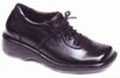
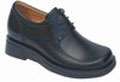
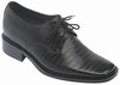
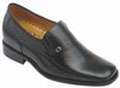
Click on the image to select your favorite styles.
Free Bonus #15:
Short people’s clubs, organizations, and communities around the world. This bonus gives you the information of some of the most helpful clubs, organizations, and communities for short people. You should choose to join some of these clubs, organizations, and communities online, so that you can make friends with other short people, share opinions and knowledge about height, and get lots of help for your own efforts in growing taller.
- Usenet: alt.support.short
Posts / month: 800
Usenet discussion group that provides support for short people. There are many worthwhile posts in this discussion group, but unfortunately many flame wars as well. The "Posts / month" estimate is somewhat inflated because many posts are cross-posted to other groups.
- Yahoo Groups: Short
Posts / month: 15
Members: 48
Owner: Anthony
Founded: 22 January 1999
A discussion and support mailing list for people below average height.
- Small People's Get Together
Posts / month: 8
Members: 123
I have created this club because I have grown tired of being "looked down" upon. There are many people out there, like me, who have a big heart, regardless of their size. Here, we can find friends and possible relationships, from our own town and from around the country. We are all in this together, let's be friends. Editor's Note: Most of the posts recently advertise porn sites.
- Yahoo Clubs: Taller Gals vs. Shorter Guys
Members: 1,641
Founded: 14 March 1999
Where short guys & tall women can mingle and meet. Editor's Note: Most of the posts recently advertise porn sites.
- Yahoo Clubs: Tall Girls and Short Guys
Members: 1,506
Founded: 3 February 2000
For females over 5' 11" and males under 5' 8". This club breaks the last sexual taboo for the New Millennium: shorter males with taller females! If you are a shorter male who considers himself a nice guy, treats women with respect, and finds tall females beautiful, then convene here!
- Yahoo Clubs: Short People
Members: 168
Owner: Sandra
Founded: 20 October 1999
A place where you can be proud of being short!
- Short Bikers Mailing List
Members: 40
Owner: Noemi Berry
Founded: May 1996
The Short Bikers Mailing List was started by a small group of people who were about five foot high and were frustrated at trying to find suitable beginners' motorcycles. They tend to be predominately women, although they don't limit the mailing list to any particular shape, size, or skill level. They have members all over the world!
- Short People UNITE!
Their campaign is to help people 5' 3" and under come to terms with their shortness. The site offers six pages of content with some interesting perspectives. Many of the pages use wild color backgrounds making the text very difficult to read.
- sellingyourselfshort.com
For a younger audience, this site takes a light hearted (but not derogatory) approach to creating a community for short people. There are six pages of content as well as surveys, discussion boards, and a guestbook.
- shortstuff.org.uk
This site was developed by a 4' 7" tall woman who decided that it was time for short people to stand up for themselves. The site leans toward technology with three pages of content, a forum, and a chat facility.
- Short Is Terrific Club
They want the world to know that it is okay to be short and yes, it is terrific! This site contains two pages of content, one survey, and several solicitations to join.
Free Bonus #16 ($4.95 value):
Short people’s library - 169 best seller books just for short people. This bonus gives you a list of 169 best books ever written just for short people. The topics of these great books include "Short People Support", "Dwarfism Support", "Short People's Career Guide", "Short People's Dating Guide", "Short People's Fashion Clothes Guide", "Short People's Clinical Guide", "Helping Parents with Short Children", "Helping Short Children and Young Adults" and many more. Click here to read the list of 169 best books ever written just for short people.
Free Bonus #17 ($9.95 value):
A proven scientific formula to mathematically calculate your maximum natural height based on your parents' and grandparents' heights. Many people ask us:" My father is x meters tall, my mother is y meters tall, what is the maximum height to which I can grow?" Well, for a long time there was no straightforward answer to this question. But after carefully studying height statistics in different countries, sampling many people's heights and their parents' heights, as well as their grandparents' heights, and referencing some authoritative doctors' work on this topic, we finally discovered a scientific formula to mathematically calculate anyone's maximum natural height based on his/ her ancestors' heights. The ultimate truth is that not only your parents' heights, but also your grandparents' and all of your ancestors' heights determine your maximum natural height.
To calculate your maximum natural height based on your parents' and grandparents' heights, use the following formula:
Your father's height = F cm (inches)
Your mother's height = M cm (inches)
Your father's father's height = FF cm (inches)
Your father's mother's height = FM cm (inches)
Your mother's father's height = MF cm (inches)
Your mother's mother's height = MM cm (inches)
If you are a male,
With 95% certainty,
Your Maximum Natural Height in cm (inches) = (F + M + FF + FM + MF + MM) / 6 * 1.08 + 8.8 cm (3.5 inches)
With 99% certainty,
Your Maximum Natural Height in cm (inches) = (F + M + FF + FM + MF + MM) / 6 * 1.08 + 14 cm (5.5 inches)
If you are a female,
With 95% certainty,
Your Maximum Natural Height in cm (inches) = (F + M + FF + FM + MF + MM) / 6 * 0.92 + 6.4 cm (2.5 inches)
With 99% certainty,
Your Maximum Natural Height in cm (inches) = (F + M + FF + FM + MF + MM) / 6 * 0.92 + 11.4 cm (4.5 inches)
Explanation: Extensive statistic and scientific research shows the average height of males is equivalent to the average height of their parents and grandparents multiplied by a conversion factor of 1.08. This will be most males' natural height (if they do not use Kimi or put any other efforts into growing taller). However, 95 out of 100 males' maximum possible natural height is below the sum of their natural height plus 8.8 cm (3.5 inches), and 99 out of 100 males' maximum possible natural height is below the sum of their natural height plus 14 cm (5.5 inches). Similarly, the average height of females is equivalent to the average height of their parents and grandparents multiplied by a conversion factor of 0.92. This will be most females' natural height (if they do not use Kimi or put any other efforts into growing taller). However, 95 out of 100 females' maximum possible natural height is below the sum of their natural height plus 6.4 cm (2.5 inches), and 99 out of 100 females' maximum possible natural height is below the sum of their natural height plus 11.4 cm (4.5 inches).
Secrets on the best mental exercises to increase your height. The secrets in this bonus will teach you how to exercise your mind to overcome your own inner fears and resist any negative outside influence. Success must begin with a strong and positive mind filled with motivation and determination. However, in reality most people around you have weak and negative minds. Facing difficulties or adversities, their favorite words are "impossible" and "give up". If you do not acquire mental toughness, you will easily become their victim and end up quitting your own dreams.
Visualization
See yourself where you want to be! Visualize yourself one foot taller. Make a detailed image of it - what will you look like, how will you feel, and what are all the other people's reactions. You are 6'5! Notice the people around you as they admire your stature! Can you see them drooling while they imagine themselves being you? Do you notice how some of them lift up their eyebrows as they greet you? Do you feel the respect and submissiveness that they must give to you? The best way to persevere through your challenge is by visualizing yourself accomplishing your goal. This will help you persevere. Visualization is a tremendous tool; use it! See yourself at the end of the tunnel. See it, taste it, smell it!
Self-image
You must begin with your self-image because success must begin from the inside, not from the outside. Be proud to be yourself and be proud of your ambition and goals, and then you will be in control of your own destiny. Your destiny is not predetermined nor designed by others. You make your own destiny. You determine what you really want and how you are going to get it.
Self-awareness
Self-awareness is powerful because it will allow you to catch yourself as a negative thought slips into your mind. Catch that thought; do not allow it to penetrate! Because one negative thought will lead to another, and another, and many others. Think about how beautiful your life will be once you realize your goals, and how miserable you will feel if you are defeated by your own negative thoughts. Then you will have self-awareness to choose the right thing for yourself.
Positive Thinking Pattern
An important component of success is the way you process your thoughts. Your thinking patterns will reflect whether or not you will follow through with your goals. There are two basic thinking patterns: a negative thinking pattern and a positive thinking pattern. Negative thinking patterns disrupt people's goals and lead them to quitting, so they are discouraging. Positive thinking patterns use visualization to enhance people's goals and lead them to succeed, so they are encouraging. Most people start a goal somewhere during the journey of their lives. They continue to move forward and then stop. It seems that they encounter endless difficulties and resistance, so reaching their initial goal seems "impossible". This is because they are moving forward blindfolded. In other words, they did not plan how to achieve their goal.
Planning
You must visualize your goal beginning at where you want to end. Picture where you want yourself to be and go backwards from there. By planning this way, you will understand what it takes to succeed, and you will also be aware when you are encountering difficulties. Think of every encounter that you might experience that will discourage you from completing your goal. Most likely they will happen. But when they do you will be ready because you planned for them and are one step ahead of the game.
Overcome Resistance
You may meet two types of resistance - internal resistance and external resistance.
Internal resistance is generated by your own mind and body, both want to be constantly relaxed and comfortable. Doing all kinds of exercises (including using Kimi) to grow taller is just the opposite and therefore it will be resisted. You must take control of your mind and body to overcome the resistance.
External resistance is generated by an organism's natural inclination to maintain its current condition (homeostasis). You can try the following ways to overcome external resistance:
1. Understand how homeostasis works. Realize that the intensity of your discomfort indicates the scale of the change that you are going through. "No pain, no gain". Very often discomfort is a good sign of the positive change that your body is experiencing.
2. Develop a support system. Cultivate relationships that support your development and avoid those which threaten it.
3. Follow a regular practice routine. Routine is a habit, and any regular practice routine provides a kind of stable base during the instability of change.
Free Bonus #19:
Inside secrets on the exact nutrition you need in order to grow taller. The secrets in this bonus help you familiarize with some basic nutrients your body needs in order to grow, as well as the common foods that contain those nutrients. Click here to read the secrets on the exact nutrition you need in order to grow taller.
Free Bonus #20:
Inside secrets on the correct regular diet for growing taller and losing weight at the same time. Do you think you know the correct regular diet that you need to follow every day in order to grow taller? O.K., ask yourself a simple question now: what is my favorite food and drink? If your answer includes anything like sandwiches, hamburgers, fries, pizza, pasta, bread, cereal, rice, cookies, cake, candy, ice cream, chicken, pork, beef, Coke, Pepsi, beer, coffee... then forget about growing taller and think about growing heavier instead - you are eating and drinking the completely wrong kinds of food and drink that can only help you gain more weight instead of height! The secrets in this bonus will show you the truly correct regular diet you need to follow in order to grow taller.
The correct regular diet you need to grow taller is a proper combination of proteins, vitamins, and minerals, so your regular diet should be rich in these three kinds of nutrients. A common regular diet that will stunt height growth is the one that includes too many carbohydrates. Carbohydrates are usually rich in foods like rice, bread, potatoes, corn, and other cereal grains. Avoid eating too many carbohydrates since they contain lots of energy (calories) but few vital nutrients that can help your body to grow. This is actually why Asian people are shorter then the European and American people. Asian people's diets mainly consist of carbohydrate-type foods like rice or corn, but European and American people consume many more protein-rich foods. So do not make rice, bread, potatoes, or cereal grains your main foods if you want to grow taller!
Another common diet that will stunt height growth is the one that includes too many lipids (fats). There are two kinds of fats: saturated fats and unsaturated fats. Saturated fats are mostly unhealthy since they have high contents of cholesterol, which can cause heart disease because arteries could become clogged with fatty material. Also, saturated fats contain a large amount of calories that can easily increase your weight. Extra weight is the enemy of height since the more weight you have, the shorter you appear. Consequently, you should avoid eating excessive saturated fats. Animal meat like chicken, pork, and beef are rich in saturated fats so you should avoid eating them too often. Unsaturated fats are much better since they contain a much lower amount of cholesterol and calories. Because you do need some fats to insulate your body and regulate your metabolism, you should ingest more unsaturated fats to satisfy your body's needs. Vegetable oils contain a large amount of unsaturated fats. Commonly used unsaturated vegetable oils are corn, soy, cottonseed, and safflower oils. Note that raw milk and butter contain lots of saturated fats, so you should drink skim milk and cook with vegetable oils instead of butter. Sweet foods like cookies, cake, and ice cream also have very high contents of saturated fats and calories and you should restrict yourself from eating them too often.
In order to grow taller, your body needs proteins, vitamins, and minerals more readily than carbohydrates and fats. Proteins are composed of one or more chains of amino acids. They are fundamental components of all living cells and include many substances, such as enzymes, hormones, and antibodies that are necessary for the proper functioning of an organism. They are essential in the diet of animals for the growth and repair of tissue and thus you should ingest a large amount of protein if you want to grow taller. The best food for complete proteins (those that contain the most appropriate distribution of amino acids for growth) are fish, eggs, milk, and legumes. These foods contain most of the 20 amino acids, including the 8 essential amino acids that are not synthesized by your body. Therefore, replace rice, bread, and hamburgers with fish, eggs, and skim milk!
Vitamins are fat-soluble or water-soluble organic substances essential in minute amounts for normal growth and activity of the body. The most important vitamins for growth are:
Vitamins Functions
Food Sources Vitamin A Converted to retinal; essential for growth and differentiation of cells as well as normal vision.
Animal liver, milk, yellow and green vegetables such as carrots and broccoli.
Vitamin B6 Properly assimilates protein and fat; works as a natural diuretic.
Animal liver, beef, kidney, green leafy vegetables like cabbage.
Vitamin B12 Forms and generates red blood cells; increases energy and promotes growth.
Cheese, animal liver, kidney, pork, and beef.
Vitamin C Helps synthesis of collagen and other intercellular substances; formation of bone matrix and tooth dentin, intercellular cement, and metabolism of several amino acids.
Citrus fruits, tomatoes, berries, cauliflower, and green leafy vegetables like cabbage.
Vitamin D Promotes calcium absorption from the digestive tract; essential for normal growth and maintenance of bone.
Egg yolk, fish oils, milk, butter, and margarine.
Vitamin E Supplies oxygen to the body's cells; essential for virility; prevents cholesterol deposits in arteries.
Wheat germ, eggs, soy beans, green leafy vegetables such as spinach and broccoli.
Vitamin K Aids in proper blood clotting; helps prevent internal bleeding and hemorrhaging.
Egg yolk, fish, animal liver, soybeans, and green vegetables.
Minerals are inorganic elements that are essential to the nutrition of humans. Minerals are important because they make up a large part of your bones and thus can directly affect the growth of your bones! The most important minerals for growth are:
Minerals Functions
Food Sources Calcium Important component of bones and teeth; essential for normal blood clotting; helps normal muscle nerve function.
Milk, dairy products, fish, green leafy vegetables.
Chromium Aides in the growth process; helps prevent and lower high blood pressure.
Meat, clams, brewer's yeast, shellfish.
Iron Aids growth; helps form hemoglobin in blood; aid for good skin tone.
Animal Liver, beef kidney, egg yolk, cereals, clams, and red meat.
Phosphorus Structural component of bone; performs more functions than any other mineral; required for healthy bones and teeth; necessary for energy metabolism.
Meat, milk, dairy products, fish, eggs, and cereals like nuts, seeds, and whole grains.
Magnesium Aids in bone growth and the function of nerves and muscles; aids in the regulation of blood pressure and water balance in cells.
Apples, grapefruits, lemons, seeds, nuts, yellow corn, and dark green vegetables.
Manganese Aids in cartilage and bone formation, necessary in energy metabolism.
Egg yolks, whole-grain cereals, green vegetables.
Zinc Aids for growth and repair of tissues. Necessary for cell division, growth, wound healing, and proper functioning of the immune system.
Milk, yogurt, meat, some seafood, brewer's yeast, and pumpkin seeds.
Iodine Aids in the regulation of thyroid hormones needed for normal growth and development.
Salt, kelp, all seafood, onions, and vegetables grown in iodine-rich soils.
The most important mineral is calcium. Be aware that some common foods and drinks can act like calcium inhibitors and thus stunt growth. Those calcium inhibitors include: coffee, soft drinks (like Coke and Pepsi), refined sugar, concentrated sweeteners, excessive salt, excessive fats, alcohol, and cigarettes. Stop or reduce the consumption of these foods and drinks if you want to grow taller!
Therefore, the correct regular diet for you to grow taller should mainly consist of protein-rich food such as fish, unsaturated meat, eggs, milk, and legumes; vitamin-rich food such as fruits, vegetables, and animal liver; mineral-rich food such as milk, dairy products, and seafood.
Free Bonus #21:
Inside secrets on the special diet for growing taller and losing weight at the same time. The secrets in this bonus will tell you a special diet that you can easily follow to get all the key nutrients that your body needs in order to grow taller.
Here comes the most important question: how can you get all of those food sources that contain all the proteins, vitamins, and minerals your body needs to grow taller? A lot of other books just give a long list of foods (like the one we have above), each one containing only one or two useful nutrients. But who has the time and money to buy and cook all the foods on such a long list every day? Other opportunists came up with a "magic grow booster" which claims to contain all the nutrition needed to grow taller, but they sell those drinks at a ridiculously high price that few people could afford to use on a long term daily basis. This is why all the other programs are not practical or realistic for most people. In order to continuously supply your body with all the nutrition it needs to grow taller, there must be a cheap and convenient food or drink that contains almost all the protein, vitamins, and minerals listed above. Through years of experience in studying diets, we found a cheap but very effective drink that best fits all the requirements of the special diet that will help you grow taller. For a simple example, one 340 ml can of such drink called Orange Pineapple costs less than $1, yet it contains almost every nutrient we mentioned above. Below is a copy of the Nutrition Facts for this drink:
Nutrition Facts
Serving Size 1 Can (340mL)Amount Per Serving Calories (Energy) 220 Calories From Fat 10
% Daily Value* Total Fat 1g 2% Saturated Fat 0g 0% Polyunsaturated Fat 0g Monounsaturated Fat 0g Cholesterol <5mg 1% Sodium 180mg 8% Potassium 500mg 14% Total Carbohydrate 46g 15% Dietary Fiber 5g 20% Sugars 39g Protein 7g 14%
Vitamin A 100% (50% as Beta Carotene) Vitamin C 100% Calcium 35% Iron 15% Vitamin D 35% Vitamin E 100% Vitamin K 25% Thiamin 35% Riboflavin 35% Niacin 35% Vitamin B6 35% Folate 30% Vitamin B12 35% Biotin 35% Pantothenic
Acid35% Phosphorus 40% Iodine 35% Magnesium 35% Zinc 15% Selenium 25% Manganese 35% Chromium 35% Molybdenum 35% *Percent Daily Values are based on a 2,000 calorie diet.
Your daily values may be higher or lower depending
on your calorie needs.Look at this: it only contains 2% fat, 1% cholesterol, and no saturated fat at all. This means it only has a little unsaturated fat, which is needed by your body. It has a very low content of carbohydrate too (only 15%). The better part is that it has very high protein contents - 14%, and it also contains 24 vitamins and minerals, including every single vitamin and mineral we mentioned before. Such a can of drink is cheaper than a can of Coke or Pepsi, but much better in nutrition to help you grow. We also know many other kinds of drink and food that bear the similar nutritional facts but different flavors, which are good for breakfast, lunch, or a snack. For a limited time, you can get a large quantity of such drinks and foods from us for as low as $7.
Click on the following links to order any of these special drinks and foods which contain all the key nutrients your body needs to grow taller:
The next time you order these special drinks/ foods, make sure you come back to this bonus page and click on the above links again or you may have to pay a higher price for the same drinks/ foods.
Free Bonus #22:
Inside secrets on the best nutritional supplement that will boost your growth by helping you become younger. If you are over 18 and think you are too old to grow much taller quickly, now there is a magic nutritional supplement that can help you become younger again and thus grow much more and faster!
If you think you are a little old to grow much taller, here is the good news: we just discovered a new product that will rejuvenate and revitalize your growth plates and keep them open longer, thus helping you grow for a much longer period of time. This product is from the famous La Praire clinics of Switzerland. It is called "Live Cell Therapy", which will help you grow younger each day. By "grow younger" we mean you will actually rejuvenate and revitalize all of your body's organs and tissues (including your growth plates) in a short time and help them return to a much younger state (such as the state they were in when you were 12). Some people think this product only helps elderly people, but actually it works even better on young people (it has been proven that it can help a 60-year-old man return to the state of a 40-year-old, so why can't it help a 20-year-old man return to the state of a 12-year-old?). In the past few years we and many of our Kimi customers have taken MFIII and it truly made us look younger and more attractive, feel much more energetic, and most importantly, it boosted our growth for a much longer period. Think about it: is it true that the younger you are, the more and faster you will grow? Of course! How much and how fast did you grow when you were a baby? How much and how fast did you grow when you were 12 years old? Less and more slowly than when you were a baby, but still much more and faster than now, right? This is the key to achieving maximum growth rate: the younger you are, the more and faster you will grow. Now go to our web site www.youngeryounger.com and read all the explanations there. Then you can order one box of MFIII at our site www.youngeryounger.com/orderinfo.html. Try it for 30 days and the effect will last 6 to 8 months, during which you can maximize the result of Kimi. Please feel free to tell your friends about this breaking news and let us know if you have any question regarding this.
Free Bonus #23:
Secrets on the best herbal therapy to straighten and lengthen your spinal column and thus increase your height. The secrets in this bonus will tell you the best herbal therapy that will reduce or even cure back pain, scoliosis (abnormal lateral curvature of the spine), spinal diseases or injuries, as well as improve your blood circulation and metabolism. Click here to find out more about this best herbal therapy to straighten and lengthen your spinal column and thus increase your height.
Free Bonus #24:
Inside secrets on the most effective breathing to grow taller. The secrets in this bonus will teach you the most effective way to breathe so your body can get enough oxygen for your maximum growth.
Importance of Effective Breathing
Effective breathing is essential for growth. Effective breathing brings sufficient oxygen into your body to facilitate biochemical reactions and stimulate your growth. Only deep breathing is effective breathing; shallow breathing is ineffective and it stunts growth. Anger leads to shallow breathing and therefore stunts growth. So make sure you keep yourself happy as much as possible!
Deep Breathing Exercise
You should perform the following deep breathing exercise every day when you are using Kimi or doing exercises, as well as before and after you sleep. The more often you do deep breathing exercises, the better result you will get.
1. Inhale through your nose slowly and controllably for 3 - 5 seconds and make sure that your stomach as well as your chest expand.
2. Hold your breath for another 3 - 5 seconds. Before you exhale, for the final 2 - 3 seconds, tighten your stomach muscle lightly. Your goal is to slowly improve the blood circulation in your head.
3. Finally exhale slowly (without loosening your stomach muscles) and controllably through your mouth and nose.
Free Bonus #25:
Inside secrets on the correct posture you must have in order to grow taller. The secrets in this bonus will teach you the correct posture you must have in order to grow taller. Correct posture is another essential ingredient for maximum height increase. Without correct posture, all or at least most of your efforts in growing taller would be in vain. Correct posture involves more than just standing and sitting straight. You must train each part of your body to maintain its proper position. You must learn how to hold your head, pelvis, and legs when you are standing, sitting, and lying, plus numerous other do's and don'ts to assure yourself of achieving every possible inch of height. Click here to read the secrets on the correct posture you must have in order to grow taller.
Free Bonus #26:
Inside secrets on how to actually grow taller while you are sleeping. The secrets in this bonus will teach you the appropriate sleeping time and the correct sleeping habits that you must have in order to grow taller.
It is during deep sleep that growth hormone does its job in thickening and lengthening your bones, so appropriate sleeping time (not the longer, the better) and a correct sleeping posture are all very important for your body to grow.
Sleep is defined as a natural periodic state of rest for the mind and body, in which the eyes usually close and consciousness is completely or partially lost, so that there is a decrease in bodily movement and responsiveness to external stimuli. During deep sleep, growth hormone produced by your pituitary gland (due to the stimulation of Kimi and other exercises from the preceding day) is released into your blood stream and travels through your body to cause the thickening and lengthening of your bones. Therefore, you should achieve "deep level" sleep on a daily basis in order to coordinate your efforts in exercising (with Kimi) and proper dieting. The following are some helpful tips on how to easily achieve a deep level of sleep:
Sleep in a room that is dark, quiet, and fresh-smelling. Do not expose yourself to bright light while you are sleeping. Light will cause your brain to remain awake.
It is important to sleep in a well ventilated room. Don’t be afraid to open a window, even in winter. It is better to put on an extra woolen blanket than to breathe in stale air. The amount of clean oxygen-rich air that you breathe has an effect on your growth. Poor air can cause breathing problems and prevents you from growing during sleep.
Sleep with clean, soft, and comfortable clothes. Rough clothing can block the blood circulation and make you shift and turn many times during the night, thus preventing you from deep sleep. Remember, your growth hormone can only work well when you fall into deep sleep.
Keep your hands and feet warm. Scientific studies have shown that warm hands and feet will help induce REM (rapid eye movement) deep sleep. Cold hands and feet will keep you from deep sleep.
Drink a big glass of water before going to bed and when you wake up; this will help clean out your system. Milk can also help you sleep. It contains an amino acid called tryptophan, which produces the effect of a sedative. Do not consume any foods or drinks that contain caffeine, nicotine, or alcohol for at least 4 to 5 hours before going to bed. Caffeine and nicotine are stimulants that will keep you from sleeping. Also, refrain from consuming large meals for at least 3 hours before bed time.
Doing exercises during the day can help you sleep better at night. If you use Kimi at least 40 minutes a day as instructed, it will increase your blood circulation and fasten your metabolism for a whole day, so you should have enough exercise to ensure a good night's sleep. This is just one of the many other benefits Kimi brings to you.
Taking a hot bath before going to bed helps induce deep sleep because it cleans your body and relaxes tense muscles.
Practice total relaxation and deep breathing for a few minutes before you go to bed. Relax from head to toe. Close your eyes and relax every part of your body. Do complete breathing exercises by following the three phases: (1) Inhale slowly and deeply through the nose for 3 to 5 seconds making sure that your stomach as well as your chest expand. (2) Hold your breath for another 3 to 5 seconds, tightening your stomach muscles lightly. (3) Exhale slowly and fully through the mouth and nose. This breathing exercise will help smooth your blood circulation and get your body ready to rest.
Maintain a habit of sleeping at the same time every day, including weekends. This will help you develop a regular rhythm for sleep. Your brain will send you a "sleep signal" at about the same time every day, which can help you fall into deep sleep faster and more easily.
Each person has his/ her own specific daily sleep requirement. It is not true that the more you sleep, the better it is for your growth. Too much sleep will cause your body to develop laziness and slow down your metabolism, thus increasing the danger of gaining weight. On average, a young adult who is growing needs at least 8 hours of sleep every day. Teens need 9 hours or more. However, this is just an average and may not apply to you precisely. The best way to figure out the exact amount of sleeping time you need is not to calculate it at all. Just sleep early every night, do not use an alarm clock, and let yourself wake up naturally. Your body has its own biological clock which can determine the exact amount of sleep it needs. As long as you have a good sleeping habit and do not break it (by forcing yourself to stay up too late or get up too early), your body will take good care of itself. Also, it is easy for you to detect if you get enough sleep each day. If you are energetic and do not feel sleepy or very tired the whole day, then you had enough sleep the previous night. Otherwise, you should readjust your schedule and try to sleep longer.
Sleeping with the appropriate posture is also very important for your growth during sleep. Sleeping with the correct posture can help you lengthen your spine and increase your height; sleeping with the incorrect posture can put a strain on your neck, shoulders, and back and stunt growth during sleep. The following are some helpful tips on how to sleep with appropriate postures:
Sleep on a comfortable and firm mattress. If it is not firm enough, place a sheet of plywood underneath the mattress. Sleeping on a hard surface will align your spine in the natural position. This will lengthen your spinal column and also allow growth hormone to easily travel across the body.
Sleep on your back with a flat pillow under your knees. This will align your spine properly and prevent any back aches caused by sleeping in a bent position. Raising your knees and feet slightly will help your brain get more oxygen-rich blood. The greater amount of oxygen that your brain receives, the higher the energy you will have to help yourself grow during sleep.
Sleep on your side, with your knees bent. This will effectively flatten the back. A flat pillow may be used to support the neck, especially if your shoulders are broad.
Do not use a high pillow. While lying on your back with your head resting on a high pillow, your neck is bent forward and your back is arched in a very unnatural position. This will put a strain on your neck, shoulders, and back, and also stunt growth since your spinal column is arched during most of the night.
Do not sleep face down. This will exaggerate swayback and strain your neck and shoulders.
Free Bonus #27:
Inside secrets on regular activities that will help you grow taller. The secrets in this bonus will teach you many regular activities that can help you grow taller.
These regular activities can help you grow taller:
1. Vertical Jumping.
2. Basketball.
3. Volleyball.
4. Football.
5. Baseball.
6. Tennis.
7. Racquetball.
8. Aerobics.
9. Gymnastics.
10. Jogging.
While doing those regular activities without Kimi can help you increase your growth hormone a little, wearing Kimi to do the same exercises in the same amount of time is much more effective and will skyrocket your growth hormone significantly. At your age, the more growth hormone your body produces, the taller and bigger you will grow. Therefore, the best natural way to grow taller is to wear Kimi to do some of the above regular activities.
Free Bonus #28:
Inside secrets on special activities that will help you grow taller. The secrets in this bonus will teach you some special activities that will help you grow taller. Aside from those regular activities, there are some special activities which are even more effective in helping you grow taller, yet they are rarely known by most people. And best of all, those special activities are very easy to perform by average people. Click here to read the secrets on these special activities that will help you grow taller.
Free Bonus #29:
Stage I (Introductory) stretching exercises that will help your body prepare to grow taller. Stage I stretching exercises give you detailed diagrams and instructions on a group of introductory exercises that will help your body prepare to grow taller in the first few weeks. Click here to see the detailed diagrams and instructions for Stage I (Introductory) stretching exercises.
Free Bonus #30:
Stage II (Preliminary) stretching exercises that will help your body start growing taller. Stage II stretching exercises give you detailed diagrams and instructions on a group of preliminary exercises that will help your body start growing taller in the next few weeks. Click here to see the detailed diagrams and instructions for Stage II (Preliminary) stretching exercises.
Free Bonus #31:
Stage III (Regular) stretching exercises that will help your body keep growing taller. Stage III stretching exercises give you detailed diagrams and instructions on a group of regular exercises that will help your body to keep growing taller in the following few weeks (months). Click here to see the detailed diagrams and instructions for Stage III (Regular) stretching exercises.
Free Bonus #32:
Stage IV (Advanced) stretching exercises that will help your body grow much taller. Stage IV stretching exercises give you detailed diagrams and instructions on a group of advanced stretching exercises that will help your body grow much taller in the following few weeks (months). Click here to see the detailed diagrams and instructions for Stage IV (Advanced) stretching exercises.
Free Bonus #33:
Stage V (Superior) stretching exercises that will help your body grow to its maximum natural height. Stage V stretching exercises give you detailed diagrams and instructions on a group of superior exercises which will help your body grow to its maximum natural height in the final few weeks (months). Click here to see the detailed diagrams and instructions for Stage V (Superior) stretching exercises.
Note: Like all the other secrets here, these stretching exercises will help you get the best result from using Kimi, but they should never replace Kimi because Kimi is the only mechanism that directly stimulates your pituitary gland, the master of your growth. The sole purpose of any additional exercise is to help Kimi maximize its result and make your growth more proportional. All of these stretching exercises are recommended but not required to get results from Kimi. If you do not have time to perform these stretching exercises you can just walk with Kimi for 30 to 40 minutes a day and you can still get a similar result in a longer period of time.
Free Bonus #34:
Inside secrets on how to balance the three most important factors to grow taller: exercise (with Kimi), diet, and sleep. The secrets in this bonus will teach you how to balance the three most important factors of growing taller - diet, sleep, and exercise.
A successful effort to grow taller should be a combination of all three important factors: exercise (with Kimi), proper diet, and sufficient sleep. So it is very important for you to learn how to balance all three of these factors. After years of research and firsthand experience with growth, we found that the following Height Balance Formula best describes the importance of each factor:
1 inch of extra high = 0.5 inch from exercise (with Kimi) + 0.25 inch from proper diet + 0.25 inch from sufficient sleep
This means, if you put 100% effort into exercise, but pay no attention to your diet and do not have sufficient sleep, you will only achieve a 50% result out of the 100% that you feel you deserve, which is a "D" or "F" type of score. This is exactly why so many people are frustrated with their growth. They think they put a lot of effort into helping themselves grow taller, but the results are always far less than they expected! Most people do not understand that their bodies' growth process consists of a whole complicated set of mechanisms. Even if one of those many mechanisms does not work out well, the whole process will be impeded or broken down. So stop blaming your parents for passing short genes to you. Instead ask yourself: Did you perform at least one effective exercise (like Kimi) to stimulate your growth every day? Did you ingest all the required protein, vitamins, and minerals on a daily basis? Did you have a sufficient amount of sleep in an appropriate posture every night? If the answer for any of these questions is "No", why should your body say "Yes" to you when you ask it for the extra height you want?! To grow taller after a certain age is not an easy thing; you have to do well in all three areas in order to have great achievement. The above Height Balance Formula is your best guidance. Refer to it frequently and continue doing exactly as it instructs and you will succeed. There is no magic; only scientific principle, self discipline, and hard work can help you realize your dream.
Free Bonus #35 ($4.95 value):
Inside secrets on the top 10 common things that will stunt your growth and how can you avoid them. The secrets in this bonus will tell you the top 10 common things that will stunt your growth.
Top 10 common things that will stunt your growth:
1. Being passive.
2. Being conservative.
3. Alcohol.
4. Smoking.
5. Consuming too many candies or carbohydrates.
6. Consuming too many fats.
7. Not having enough sleep or sleeping irregularly.
8. Not having correct posture.
9. Not doing any physical exercises.
10. Quitting any efforts in growing taller too soon.
Free Bonus #36 ($4.95 value):
The most accurate scientific answers to the most intriguing questions about height and increasing height. Very often people from different countries in the world ask us some of the most intriguing questions about height and increasing height. After years of intensive research, we finally obtained the most accurate scientific answers to all of these most intriguing questions.
Question: Does early sex or masturbation stunt growth?
Answer: No, in general early sexual behaviors like sex and masturbation will not stunt your growth. Your DNA and growth hormone are more responsible for your height, not your sex hormone. In other words, if we inject lots of sex hormone into a boy whose parents are very tall, he is still going to grow very tall because his tall genes are more important than the presence of the sex hormone. Basically, we do not think sex hormone has much to do with your height at all. This is based on facts. For example: do most tall guys never exhibit sexual behaviors (sex or masturbation) until they think they are tall enough? Of course not! If early sexual behaviors stunt growth, then we would see many more short men because statistics show that over 90% of males in the U.S. have had sex or masturbation before 18. Another fact - think about this: the bone plates of many 6 or 7 feet tall guys are not closed until they are 25 or even in their early 30s. Yet, their sex organs must have been matured by the age of 18 and they are likely to have had more of a chance to exhibit sexual behaviors than short men. How can you explain these tall men's bone plates remaining open long after they began exhibiting sexual behaviors? Therefore, early sexual behaviors have little to do with your height, the dominant factors (aside from your DNA) are growth hormone, metabolism, and certain outside stimulations. Kimi is the best height-increasing device that will help you increase your growth hormone level, increase your metabolism, and give you the exact outside stimulations you need. The following information can help you better understand Kimi.
Question: Does weight lifting/ training stunt growth?
Answer: Generally speaking, weightlifting will not prevent you from growing taller. Some people think that weightlifting will impede the process of growing taller, but this is actually not true. Go to any gym and you will see lots of "big" guys who are lifting hundreds of pounds. However, they are all over 6'. Do you see those fitness stars on TV? Aren't they tall and strong enough to impress you? Yet almost every one of them lifts a lot of weight in order to build up their bodies. Any kind of active exercise, including weightlifting, will only help you better use Kimi and grow even taller, because exercises can dramatically increase the rate of your metabolism, your carrying of oxygen, your nutrition, and the growth hormone being received by your bones. Weightlifting could harm your height if and only if you lift weights improperly so it causes injury to your spinal column and other bones. But this usually only happens to those who are new to weightlifting. If you have gotten used to weightlifting and know the right way to do it, there is no need to worry. For the most part, you just need to consult your coach or other professional athlete about the proper way to do weightlifting. You should use Kimi and do weightlifting at the same time; it will make you both tall and strong like those sexy body builders!
Question: Why is the average height of Asian people shorter than that of the American and European people?
Answer: Asian people are shorter mostly because their diets are not suitable for growing taller. Asian people's diets mainly consist of carbohydrates. You need to eat protein and vitamin-rich foods in order to grow.
Question: What are growth plates (bone plates), anyway?
Answer: Growth plates are the cartilage portions at the end of your bones in your legs, which are responsible for your bones growing longer. When you are young your growth plates can constantly grow and turn into new bones, and then grow again, thus causing you to naturally grow taller. But when you pass your puberty, your growth plates will begin to slow down in their generation of new bones, and eventually will stop growing after your 30s. So in order to regain your growth, it is important to rejuvenate your growth plates. MFIII is the best product to do this for you because it uses young cells from the sheep fetus to replace your old cells in most of your important organs and tissues, including your growth plates.
Question: When will growth plates close? Can I still grow taller after my growth plates are closed?
Answers: Males' growth plates will not be completely closed until they are 25 or into their early 30s. Females' growth plates will not be completely closed until they are 21 to 25 years old. You can still grow taller after your growth plates are closed.
Question: If both my parents are short, can I still grow taller?
Yes, Kimi can still help you grow taller even if both of your parents are short. This is because:
1. If your grandparents or even grand-grandparents are tall, you may still receive their tall genes and have the potential to grow much taller than your parents. This explains why some children can grow much taller than both of their parents but others cannot. The tall children may receive tall genes from their grandparents or ancestors and the short children do not. How? It's pure luck based on mathematical probability! Can you be sure you do not have tall genes just because your parents are short? Of course not! Your parents may be both "unlucky" to miss the tall genes from your ancestors, but this actually gives you more of a chance to receive those tall genes as the probability of missing a certain trait for two or more generations consecutively is very small (only 1/4 for two generations, 1/8 for three generations, and 1/16 for four generations). So you had better check all of your ancestors (at least 3 or 4 levels up) before you conclude "I am from a short family". Actually, there is a scientific formula which can calculate your maximum natural height based on your parents' and grandparents' heights. Now you can get this formula absolutely free in 1 of our 40 fantastic free bonuses. As soon as you get the formula and apply it to your case, there is a 95% chance that you will find that your DNA actually allows you to grow much taller than you thought possible.
2. Human growth is the result of interaction between heredity and environmental factors, which includes nutrition, exercise, sleeping habits, and most of all, an effective height-increasing method. Although your growth potential might be constrained by hereditary factors which you have no control over, your growth can still be maximized by using the best height-increasing device - Kimi. In fact, this provides you with even more reason to use Kimi. You should definitely use Kimi to your fullest advantage and benefit.
Free Bonus #37:
Instructions on the correct ways to use Kimi and the most effective methods to get the best result from Kimi and other efforts in growing taller. Over the years we have surveyed many Kimi users who have gotten the best result from Kimi and other efforts in growing taller. We found that while each individual's unique genetic and physical conditions affect the result, the correct ways and some of the most effective methods play an even more important role in anyone's success in growing taller. From some of the most successful Kimi users, we collected and summarized all the correct ways to use Kimi and some of the most effective methods that will help you get the best result from Kimi and other efforts in growing taller.
To get the best result from Kimi, follow these instructions:
1. You must make sure that Kimi is stimulating the correct spot on your feet. To do this you should strictly follow the usage instruction: "Simply place the most convex part of the stimulator insole against the most concave part of the foot and cut away the extra part of the insole along the closest dotted line to exactly fit your foot." If you use Kimi correctly the inner part of your soles should be well stimulated.
2. Simply place Kimi in your shoes and wear it wherever you go. The longer you use Kimi, the better its result. This is more effective than just using Kimi for half an hour a day.
3. Wear the exact same size of sneakers as your feet and tie your shoes very tightly. If your shoes are too large or your shoe laces are loose, you won't feel much stimulation.
4. Wearing very thin socks or no socks at all can be beneficial. This will also increase the stimulation.
5. Wear Kimi for jogging, jumping, or playing basketball. You will feel much more stimulation and get better results when you wear Kimi to do exercises.
6. Only measure your height in the morning, right after you get up. You have to measure your height during the same time of the day to get the most accurate result.7. If you are over 18, you should use the best supplement to help you grow younger as described in Bonus #22.
Free Bonus #38:
Free lifetime email and phone support. For a limited time, we will provide free lifetime email and phone support to our Kimi customers. We will personally answer all of your questions about Kimi, growing taller, losing fat, gaining muscles, or other fitness and height related questions for the rest of your life.
Our email support: info@growtaller.net
Our phone support: (212)544-0888.
Free Bonus #39:
Inside secrets on the latest Biomedical Gene Therapy to increase height. Your height is largely determined by the genes that you inherit from your parents, but even that is about to be changed by the advanced human genetic engineering. From this bonus you will learn the latest research on gene therapy that could soon "inject tall genes" into your body and make you grow much taller! Click here to read the secrets on the latest Biomedical Gene Therapy to increase height.
Free Bonus #40:
Inside secrets on a medical breakthrough which can really allow anyone, at any age, to gain as much height as he/ she wants.
This means that finally, finally, there is a way to overcome all of your genetic limitations and allow yourself to grow as tall as you desire! Unfortunately, this medical breakthrough is still not available to the general public as it is very complicated and much more expensive than Kimi ( if you are willing to spend enough money and time to increase you height, we will tell you where you can get such treatment from ). This is exactly why we are only recommending Kimi as the best height-increasing device that is currently available to everyone, although in most cases it only helps people younger than 35 to gain up to 3 inches. However, this medical breakthrough certainly overthrew the old theory of it being "impossible to grow taller after a certain age". Once again, now it is not only 100% possible, but also very feasible to make anyone gain his/ her desired amount of extra height at any age, disregarding all of his/ her genetic limitations. Is this incredible? Yes! Is this true? Yes! As true as the fact that now we can walk on the moon. What exactly is this medical breakthrough?
Answer: This new treatment to increase anyone's height is called "Limb Lengthening". It is a kind of complicated surgery performed on your legs, but it can definitely increase the length of the bones in your legs by 0.1 cm (0.04 inches) per day, regardless of your age, sex, or even your DNA composition! So if you are willing to go through the treatment for 30 days, you are definitely going to gain 3.0 cm (1.18 inches), for 60 days you can become 6.0 cm taller (2.36 inches), for 90 days 9.0 cm taller (3.54 inches)... There is basically no limit on how much height you can gain from this treatment (since it can overcome your genetic limitation), so some people have increased their height by as much as 30.5 cm (1 foot). However, it is very expensive compared to the minimal cost of Kimi (only $39.95!) - in the U.S. you would have to spend about $40,000 to $70,000 to undergo this treatment! In China and India you can find some professional doctors who are willing to perform such surgery at the cost of $10,000 to $20,000 (you can find the contact information for those professionals by following the links at the bottom of this page). Also, there may be some risks involved in this treatment. Although it guarantees you any height you desire, it may cause you some side effects (some of the most recent improvements on this medical technology have greatly reduced such risks). All of these are reasons for us not to recommend this treatment until it becomes cheaper and safer for the public. But the concept behind this treatment is really a revolutionary breakthrough in human height growth. If you are interested in the details of this treatment, as well the contact information for those doctors who can actually perform this treatment, please visit the following web sites. Even you are not interested in the treatment itself, you can at least know the revolutionary concept behind it. After reading this you will become more confident with Kimi because this new treatment and concept has proved that the long-held belief that bone length can not be changed after puberty is wrong, and the opposite is true: human bones can be regenerated and caused to grow longer by certain outside stimulation at any age!
Below are the web sites about limb lengthening:
http://www.esf.org.cn/maindoc/Height%20Increasing%20Technology.htm
http://www.limblengthening.com/aboutll.html
http://www.shortsupport.org/Health/Leg-Lengthening/index.html
http://www.umm.edu/mcllr/index.html
http://www.ilizarov.org/gang1.htm
http://www.ilizarov.org/amle1.htm
© 1998 - 200
4 OneRom Group, Inc.We have many witnesses who will prove we are the only originators of this site, so please do not copy anything on this site without our written permission.
All violations will be prosecuted to the fullest extent of the international copyright laws.